Big Five Safari: Masai Mara is one of the best places to spot the Big Five (lion, leopard, elephant, buffalo, and rhinoceros) in a single game drive. The Mara is particularly famous for its lions, with large prides that roam the open savannas. Leopards and cheetahs are also frequently spotted, especially around the riverbanks and in the acacia forests.
Diverse Wildlife: In addition to the Big Five, the Mara is home to an abundance of other wildlife, including giraffes, zebras, hippos, hyenas, impalas, and crocodiles. The reserve’s varied habitats, from open plains to riverine forests, provide the perfect environment for a wide range of species.
Birdwatching: Masai Mara is a paradise for bird lovers, with over 450 species of birds recorded. Look out for eagles, vultures, marabou storks, hornbills, and the iconic crowned cranes. The wet season (November to May) brings migratory birds from Europe and Asia, adding to the reserve’s already rich birdlife.
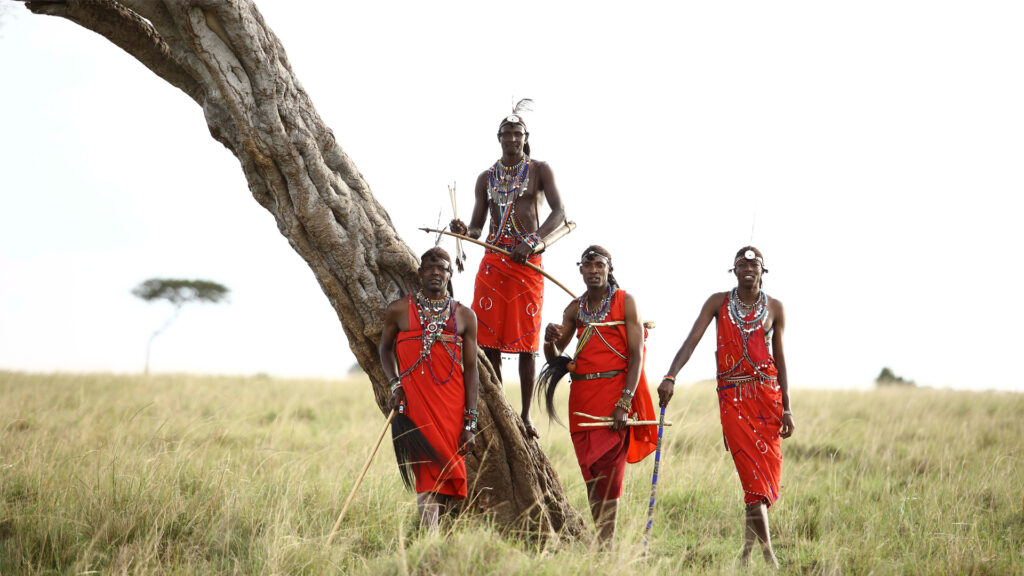
Maasai Culture: The Maasai people have lived in the Mara region for centuries, and visiting a Maasai village is an incredible cultural experience. Learn about their traditional lifestyle, customs, dances, and their relationship with the wildlife of the Mara. The Maasai are known for their vibrant red clothing, intricate beadwork, and deep spiritual connection to the land.
Activities in Masai Mara National Reserve:
Game Drives: Game drives are the primary way to explore Masai Mara’s incredible wildlife. Whether in the early morning or at sunset, a safari vehicle is the best way to experience the thrill of tracking animals across the open plains. During the Great Migration, game drives become an even more exciting way to witness the crossing of the Mara River and the movement of the herds.
Hot Air Balloon Safaris: For a unique perspective of the Mara, embark on a hot air balloon safari at dawn. Soar above the reserve’s vast plains, watching wildlife from above as the sun rises over the savanna. It’s an unforgettable experience and provides stunning views of the landscape and animals.
Walking Safaris: While game drives offer an exciting way to spot wildlife, walking safaris allow you to experience the Mara up close. Led by professional Maasai guides, walking safaris provide the opportunity to learn about the local flora, fauna, and the ancient knowledge of the Maasai people.
Cultural Tours: Explore the Maasai culture through visits to traditional Maasai villages. Here, you can interact with the Maasai people, learn about their customs, and watch traditional dances. It’s an enriching experience that complements the safari experience.
Birdwatching: Whether you’re a dedicated birder or simply a nature lover, Masai Mara is a paradise for birdwatching. With its varied habitats, you can spot a wide range of birds, from large raptors to small songbirds. Birdwatching can be done both on game drives and walking safaris.
Photography: The Masai Mara is a photographer’s dream, with its incredible landscapes, diverse wildlife, and dramatic skies. Whether you’re capturing the Great Migration or a predator-prey interaction, the Mara offers endless opportunities for stunning wildlife photography.